
Mes de la concienciación sobre la diabetes en el condado de Polk, Florida
Abril es el Mes de la Concienciación sobre la Diabetes. Aunque la diabetes puede ser una enfermedad crónica, existen formas asequibles de controlarla gracias a los recursos disponibles en el condado de Polk.
¿Qué es la diabetes?
La diabetes es una enfermedad crónica que afecta a la capacidad del organismo para convertir los alimentos en energía mediante la insulina. La insulina es la hormona que permite a las células del cuerpo aprovechar el azúcar de la sangre para obtener energía. Dependiendo del tipo de diabetes, es posible que el cuerpo no produzca suficiente insulina; también puede ocurrir que las células no respondan adecuadamente a la insulina.
¿A quiénes afecta la diabetes?

Según el Centro para el Control de Enfermedades, más de 40 millones de adultos en Estados Unidos padecen diabetes, pero más del 25 % de los adultos que padecen esta enfermedad no saben que la tienen.
En el condado de Polk (Florida), en 2025, el 29,43 % de los adultos encuestados en el marco de la Evaluación de Salud Comunitaria de Polk Vision consideraron que la diabetes o la hiperglucemia era uno de los tres principales problemas de salud de su comunidad.
Las tasas de visitas a urgencias, hospitalizaciones y fallecimientos por diabetes son más elevadas en el condado de Polk que en el resto del estado de Florida, y han aumentado en los últimos años. Las personas de raza negra e hispanas del condado de Polk, en Florida, tienen más probabilidades de acudir a urgencias por complicaciones relacionadas con la diabetes y de ser hospitalizadas por esta enfermedad que las personas que no pertenecen a minorías.
¿Cómo puedo saber si tengo diabetes?
La diabetes se puede diagnosticar mediante diversos análisis de sangre que el médico de atención primaria puede solicitar durante tu revisión médica anual. Estos análisis de sangre pueden medir tu nivel de azúcar en sangre o tu A1C.
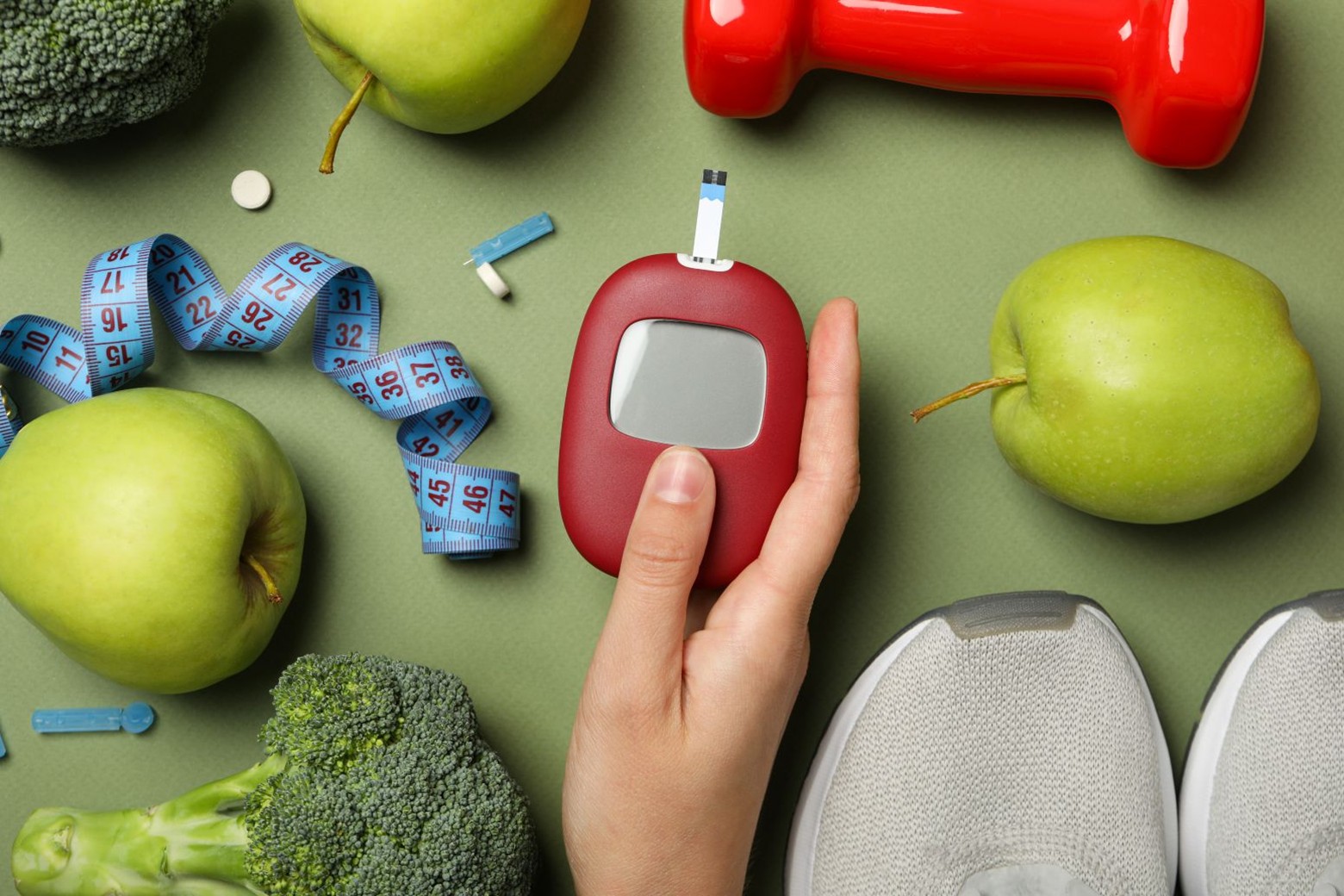
Una vez que sepas que tienes diabetes, una alimentación saludable y la práctica regular de ejercicio son fundamentales para controlarla.
Consejos para una alimentación saludable en caso de diabetes
Si tienes diabetes o prediabetes, tu alimentación es importante para mantener a raya el nivel de azúcar en sangre y cuidar tu salud.
Los alimentos que contienen hidratos de carbono se descomponen en azúcar y pueden elevar el nivel de azúcar en sangre. Es una excelente idea equilibrar los hidratos de carbono con otros alimentos. La mejor pauta general es llenar la mitad del plato o del cuenco con verduras sin almidón, una cuarta parte con proteínas magras y la cuarta parte restante con hidratos de carbono saludables. Esta forma de alimentarse puede ayudarte a mantener a raya el nivel de azúcar en sangre.
Aquí tienes algunas ideas de alimentos que te vendrían muy bien añadir a tu despensa para poder preparar un plato o un bol equilibrado:

Verduras en conserva sin almidón: tomates , champiñones, zanahorias, judías verdes, corazones de alcachofa, espinacas y espárragos. La sopa de verduras puede incluir una mezcla de verduras sin almidón, con o sin carne.
Opciones de proteínas magras: a menos que añadas otros ingredientes, estos alimentos no contienen hidratos de carbono. Aumentarían muy poco tu nivel de azúcar en sangre, si es que lo hacen. Algunos ejemplos son el atún en conserva, el pollo y el salmón, así como los envases individuales. También puedes optar por gambas o sardinas en conserva.
Opciones en conserva que contienen tanto hidratos de carbono como proteínas, además de fibra que retrasa el aumento del azúcar en sangre: legumbres, como garbanzos, alubias pintas, alubias negras y alubias blancas. Sopas, como la sopa de alubias negras, la sopa de lentejas, la sopa de alubias de ojo negro y el chili vegetariano.
Grasas saludables: mantequillas de frutos secos , frutos secos y semillas (como las de calabaza, girasol o chía), y aceitunas en conserva.
Teniendo en cuenta las opciones mencionadas anteriormente, aquí tienes algunas comidas y tentempiés económicos que se preparan en un santiamén:
- Atún y galletas saladas
- Ensalada de alubias negras, maíz y tomate
- Mantequilla de cacahuete sobre galletas de arroz
- Ensalada de alubias con alubias rojas, alubias negras, alubias blancas, judías verdes, aceite de oliva y vinagre
- Arroz con leche con canela, arroz precocido envasado y leche de larga duración o proteína en polvo
- Espinacas y alcachofas en conserva con cebolla y ajo en polvo, un sobre de queso parmesano y atún o alubias blancas
- Aceitunas negras, judías verdes y tomates cortados en dados, aderezados con almendras laminadas
El poder de la actividad física para las personas con diabetes
 La actividad física y el ejercicio también desempeñan un papel fundamental en el control de los niveles de azúcar en sangre y en la salud y el bienestar general.
El ejercicio puede referirse a diversos tipos de movimiento; caminar, correr, nadar, practicar yoga, hacer entrenamiento de fuerza, montar en bicicleta y realizar actividades recreativas son todos tipos de ejercicio que puedes practicar en casa —¡o en alguno de los parques públicos del condado de Polk!—. Aumentar la actividad física puede evitar que la diabetes o la prediabetes empeoren y que su tratamiento resulte más difícil y costoso. Además, tu rutina de ejercicio no tiene por qué ser extrema.
Incluso dar un paseo de 10 minutos después de las comidas puede marcar la diferencia y ayudar a tu cuerpo a regular mejor el azúcar en sangre.
La actividad física es también una forma estupenda de involucrar a los niños y de iniciarles en el camino hacia un estilo de vida saludable.
¿Cómo puedo controlar la diabetes sin seguro médico?
Las personas del condado de Polk, en Florida, que no dispongan de seguro médico ni de otra cobertura pueden cumplir los requisitos para acogerse al Programa de Asistencia para la Salud de Florida ( Polk HealthCare Plan).
Deben cumplir determinados requisitos de ingresos y residencia.
Dado que el Mes Nacional de Concienciación sobre la Diabetes pone de relieve la importancia de la educación y la prevención, es fundamental aprovechar los recursos disponibles para comprender y controlar mejor tu salud.
Las visitas de atención primaria, incluidos los análisis de sangre rutinarios y los reconocimientos médicos anuales, forman parte de las prestaciones del plan. Pueden ayudarte a averiguar si tienes diabetes o si corres el riesgo de padecerla. Muchos de estos servicios están disponibles sin coste alguno para los afiliados o con un pequeño copago. Para saber si cumples los requisitos para el Programa de Asistencia para la Prevención de la Diabetes ( Polk HealthCare Plan), empieza por aquí.
Este artículo ha sido revisado por Andrea Nikolai, máster en Salud Pública (MPH), dietista registrada (RDN) y dietista licenciada (LDN). Es dietista registrada y colabora con el programa de extensión de la Universidad de Florida impartiendo clases sobre alimentación y nutrición. Puede ponerse en contacto con Nikolai en el (863) 519-1072 o en andreanikolai@ufl.edu.