
Colon Cancer Can Start Small, But Screening May Stop It Early
Most colorectal cancers start as small, slow‑growing polyps—meaning early colorectal cancer prevention through screening can stop the disease before it ever begins. It is one of the most preventable cancers, yet too many people skip the screening that could save their lives.
What is colorectal cancer?
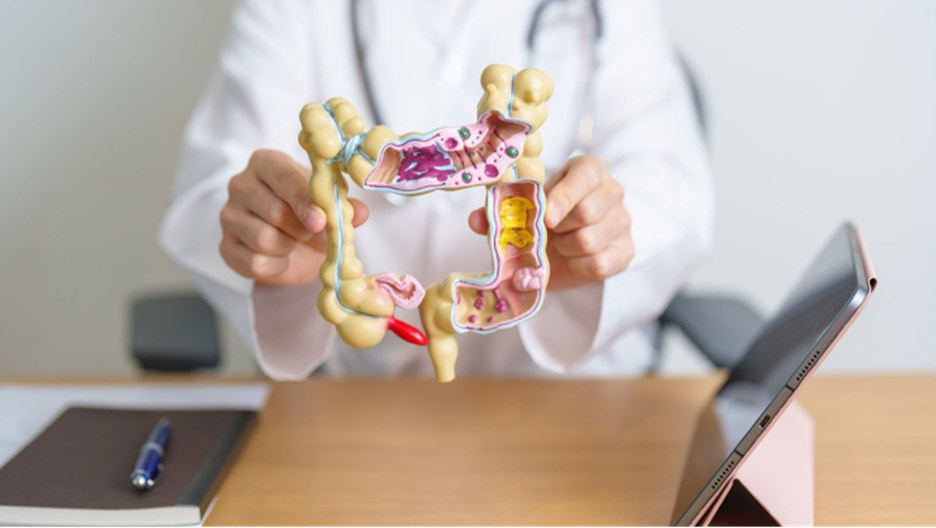
Colorectal cancer is cancer that starts in the colon or rectum. The colon, also known as the large intestine, is a U-shaped, segmented tube of muscle located below the stomach. The rectum is the final segment of the large intestine.
Is colorectal cancer common?
In the United States, colorectal cancer is the second-most common cause of cancer deaths. It’s expected to cause about 55,230 deaths in 2026.
In Florida, colorectal cancer is the third leading cause of cancer death. It is estimated that in Florida in 2026, there will be 12,850 new cases between men and women combined.
How does colorectal cancer start?
Most cases of colorectal cancer develop over time from precancerous polyps. Polyps are small growths that can form inside the lining of the colon or rectum. Most polyps are not cancerous at first, but some types can slowly change and become cancerous if they aren’t found and removed.
That’s why screening is so important when it comes to colorectal cancer, because a colonoscopy can find those polyps early and remove them before they turn into cancer.
When should I start getting screened?
 For people at an average risk of colon cancer, it is recommended to begin screening at age 45. People who are in good health should continue regular colorectal cancer screening through the age of 75. If you are older than 75, talk to your doctor about screening. People at an increased risk of getting colorectal cancer (individuals who have medical, genetic, or family factors that increase colorectal cancer risk) should talk to their doctor about when to begin screening, which test is right for them, and how often to get tested.
Improving colon cancer awareness is key to early detection and prevention, so it’s important not to put off your colon cancer screening. While the disease continues to decline among older adults, rates are rising in people under 65. For adults under 50, it is currently the number one cause of cancer-related death.
How can I be screened for colon cancer?
There are several types of colon cancer screening. Some types can be done at home, but some require bowel prep or sedation, usually at an outpatient medical facility.
The only type of test that can remove polyps during the exam is a colonoscopy. A colonoscopy is recommended only once every 10 years for people who do not have an increased risk of colorectal cancer.
Can I get screened for colon cancer without health insurance?
Individuals in Polk County, Florida, who do not have health insurance or any other form of health coverage and meet certain income and residency requirements may be eligible to receive coverage through the Polk HealthCare Plan. The Polk HealthCare Plan offers members coverage for screenings that can help detect or prevent cancer early, including colonoscopies. Many of these services are available at no cost to the member or with a small copay. To find out if you qualify for the Polk HealthCare Plan, start here.
What are some steps I can take to reduce my risk of colon cancer?
 Being physically active, following a healthy eating routine, not drinking alcohol, and achieving and maintaining a healthy weight can help reduce your risk of cancer.
The bottom line: Early screening gives you the best chance to catch problems early, take control of your health, and prevent colorectal cancer before it starts.
Free Online Course for Those Facing a New Cancer Diagnosis
The University of Florida Health Cancer Center and UF/IFAS Extension partnered to offer a free online course called Taking Control of Your Cancer Diagnosis. The content of this course was created based on information collected from people living with cancer, survivors, and family members of those affected. Topics include financial planning, managing stress, and avoiding predatory medical practices, among others. Each module is presented by a subject matter expert and is meant to be used when you need it. You don’t need to take the class in any particular order.
Andrea Nikolai, MPH, RDN, LDN, is a registered dietitian and works with the University of Florida Extension and Polk County to teach food and nutrition classes. She can be reached at (863) 519-1072 or andreanikolai@ufl.edu.